
Disease Prevention Through Proper Nutrition
Discover how evidence-based dietary choices can help reduce the risk of chronic diseases. Our comprehensive guide explores the powerful connection between what you eat and your long-term health outcomes.
Key Features of Preventive Nutrition
Plant-Based Foundations
A diet rich in vegetables, fruits, whole grains, and legumes provides essential vitamins, minerals, and phytochemicals that strengthen your immune system. These plant compounds work synergistically to reduce inflammation and protect your cells from oxidative stress, laying the foundation for lifelong wellness.
Cardiovascular Support
Strategic food choices—such as omega-3 rich fish, nuts, seeds, and heart-healthy oils—help maintain healthy cholesterol levels and blood pressure. Regular consumption of these nutrient-dense foods supports arterial health and reduces the risk of cardiovascular events over your lifetime.
Immune System Strengthening
Vitamin C, zinc, selenium, and antioxidants found in colourful produce and whole foods enhance your body's natural defences. A well-nourished immune system is better equipped to fight off infections and reduce the duration of illness when exposure occurs.
Cognitive Wellness
Omega-3 fatty acids, B vitamins, and antioxidants protect brain structure and function, potentially reducing the risk of cognitive decline. Foods like berries, leafy greens, and fatty fish support memory, focus, and mental clarity throughout your life.
Weight Management
Balanced nutrition with adequate protein, fibre, and complex carbohydrates helps maintain a healthy weight naturally. Proper satiety from nutrient-dense foods reduces cravings and supports sustainable lifestyle changes that prevent metabolic complications.
Metabolic Balance
Proper nutrition stabilises blood sugar levels and improves insulin sensitivity through whole foods and controlled portions. This metabolic balance reduces the risk of type 2 diabetes and supports consistent energy throughout your day.
Understanding Food as Medicine
For centuries, cultures around the world have recognised that proper nutrition is fundamental to preventing disease. Modern nutritional science continues to validate this wisdom, revealing how specific foods contain compounds that address disease risk at the cellular level.
Each meal is an opportunity to either nourish your body and reduce disease risk, or to consume foods that promote inflammation and metabolic dysfunction. The cumulative effect of daily dietary choices over months and years determines whether you experience vibrant health or chronic health challenges.
By understanding the nutrient profile of whole foods—from the anthocyanins in berries to the polyphenols in olive oil—you gain the knowledge to make informed choices that support long-term wellness and disease prevention.
Explore Nutrition Tips
Your Dietary Transformation Journey
Assessment & Education
Begin by evaluating your current eating patterns and understanding which foods support disease prevention. Learn about nutrient density, food combinations, and how specific elements like fibre, antioxidants, and minerals work to reduce chronic disease risk.
Gradual Implementation
Make sustainable changes by gradually replacing processed foods with whole, nutrient-dense alternatives. Focus on adding beneficial foods rather than restriction. Small, consistent improvements in your daily diet compound into significant health benefits over time.
Long-Term Habit Building
Establish new eating patterns that become automatic, requiring no willpower. When nutritious eating becomes your lifestyle rather than a temporary diet, you experience sustained disease prevention and improved energy, clarity, and overall vitality throughout your life.
Nutritional Excellence Through Variety
Whole Food Categories for Disease Prevention
- Leafy Greens: Spinach, kale, and Swiss chard deliver lutein, folate, and calcium for bone strength and detoxification
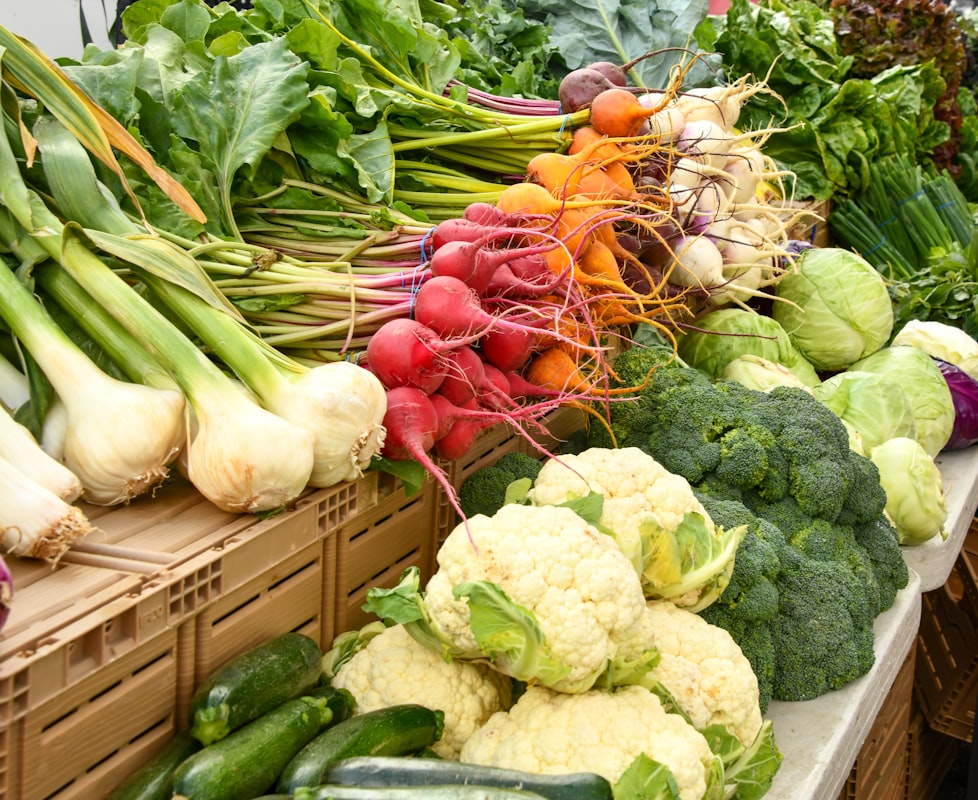
- Cruciferous Vegetables: Broccoli, cauliflower, and Brussels sprouts contain sulforaphane, a compound with powerful protective properties
- Berries: Blueberries, raspberries, and blackberries are rich in anthocyanins and resveratrol
- Legumes: Beans, lentils, and chickpeas provide plant-based protein, fibre, and resistant starch
- Whole Grains: Oats, quinoa, and brown rice supply B vitamins, magnesium, and sustained energy
- Healthy Fats: Avocados, nuts, seeds, and olive oil support hormone production and nutrient absorption
Common Questions About Preventive Nutrition
Some benefits appear relatively quickly—improved energy and mental clarity often manifest within days to weeks as your body receives better fuel. However, disease prevention is a long-term endeavour. The most significant reductions in chronic disease risk occur over months and years as your cells repair themselves and your body's systems rebalance. Think of nutrition as preventive investment: the payoff compounds over time.
While specific dietary patterns like Mediterranean, DASH, and whole-food plant-based diets have strong research supporting disease prevention, the fundamental principles matter most: eat mostly whole foods, emphasise plants, include healthy fats and proteins, limit processed foods, and maintain portion control. The best diet is one you can sustain long-term. Focus on learning principles rather than rigid rules, and adapt them to your preferences and cultural background.
Nutrition is a powerful preventive tool, but it works best as part of a comprehensive health approach that includes regular physical activity, adequate sleep, stress management, and regular health check-ups with qualified healthcare providers. If you have existing health concerns, nutrition should complement—not replace—professional medical guidance. Always consult with healthcare professionals before making significant dietary changes, especially if you take medications.
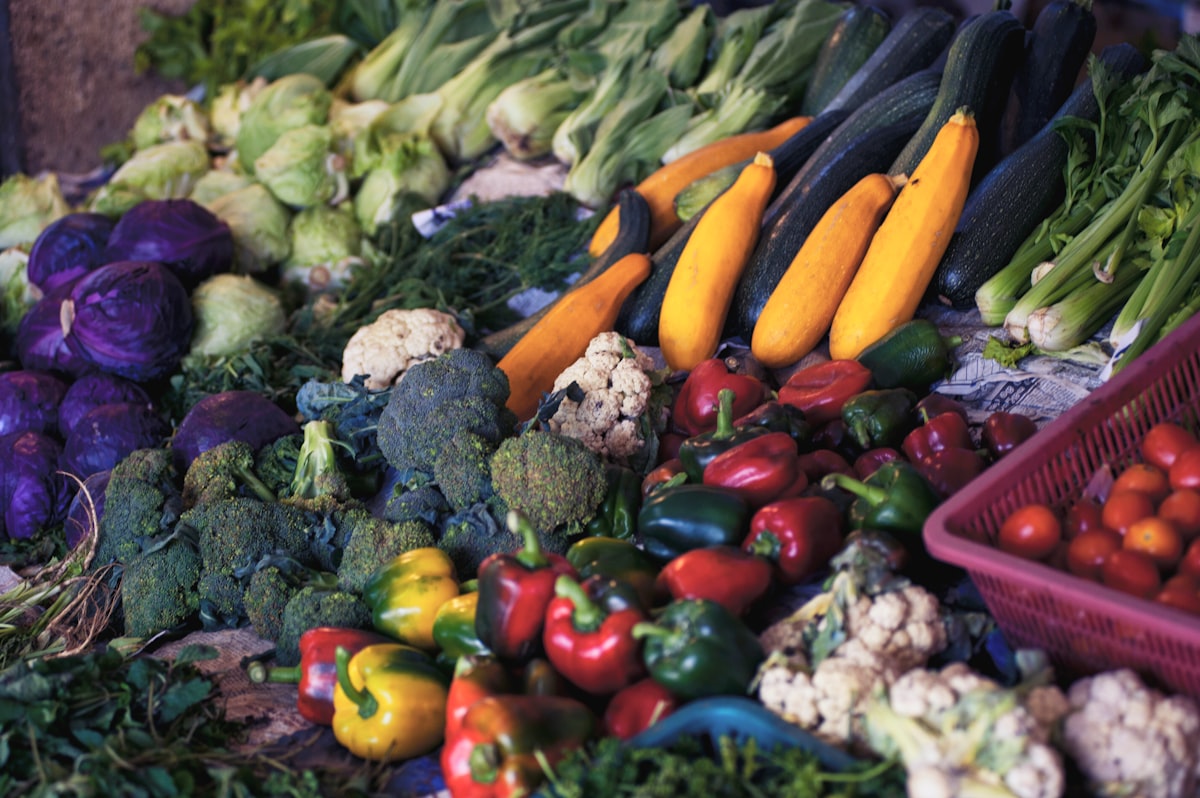
Nutrient-dense foods provide high amounts of vitamins, minerals, and phytonutrients relative to their calorie content. Generally, the closer a food is to its natural state, the more nutrient-dense it is. Whole vegetables, fruits, legumes, nuts, seeds, and whole grains are excellent choices. If a food came in a package designed to last months on a shelf, it's likely processed and less nutrient-dense than whole alternatives. A practical rule: shop the perimeter of the market where whole foods live.
While organic options may reduce pesticide exposure, the most important factor is eating plenty of whole foods—conventional or organic. A diet rich in conventional vegetables is far superior to a diet of organic processed foods. If budget is a concern, prioritise buying organic for produce with higher pesticide residues (strawberries, spinach, apples) and conventional for items with thicker skins (bananas, avocados). The health benefits of abundant produce intake far outweigh concerns about conventional farming methods.
Nutritious foods can be delicious. The key is developing your palate to enjoy whole foods through varied preparation methods. Use herbs, spices, healthy oils, and cooking techniques like roasting to enhance natural flavours. Discover cuisines from cultures with strong health traditions—Mediterranean, Asian, and others—which demonstrate how to make nutritious foods taste exceptional. Start with dishes you already enjoy and gradually introduce healthier alternatives, allowing your taste preferences to evolve naturally over time.
Healthy Recipes & Meal Inspiration
Mediterranean Buddha Bowl
A nutrient-packed meal combining whole grains, leafy greens, legumes, and heart-healthy fats. Learn how to build balanced bowls that support cardiovascular health and disease prevention.
View Recipe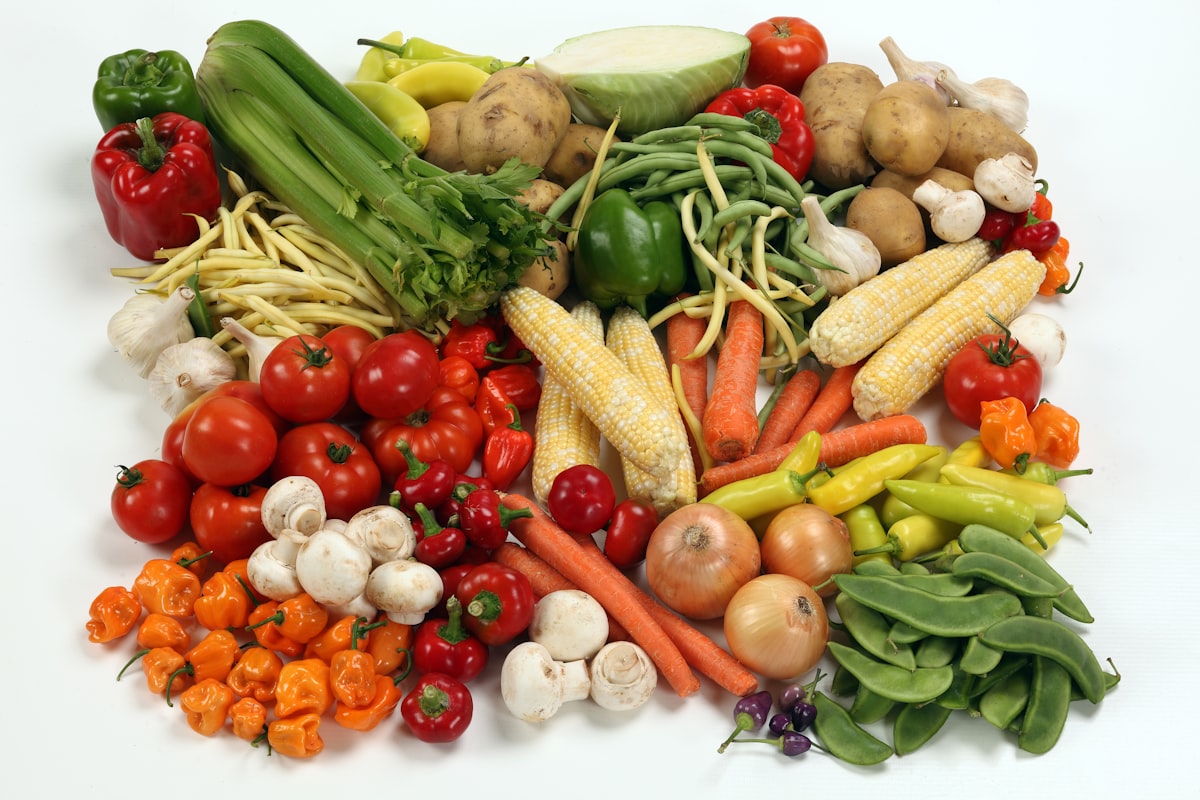
Antioxidant Smoothie Bowl
Packed with berries, nuts, seeds, and plant-based milk, this breakfast supercharges your immune system. Discover how to create satisfying, nutrient-dense breakfast options that set a healthy tone for your day.
View Recipe
Roasted Cruciferous & Legume Stir-Fry
Maximise protective compounds with roasted broccoli, cauliflower, and chickpeas. This simple preparation method enhances flavour while preserving disease-fighting nutrients.
View Recipe
Mineral-Rich Vegetable Broth
A warming, deeply nourishing soup featuring bone or vegetable broth with abundant vegetables. Easy to prepare in batch and stores well for busy weeks.
View Recipe
Whole Grain & Seed Salad
Combine quinoa, farro, or brown rice with raw vegetables, nuts, and seeds. Dress with olive oil and lemon juice for a complete meal supporting metabolic health.
View Recipe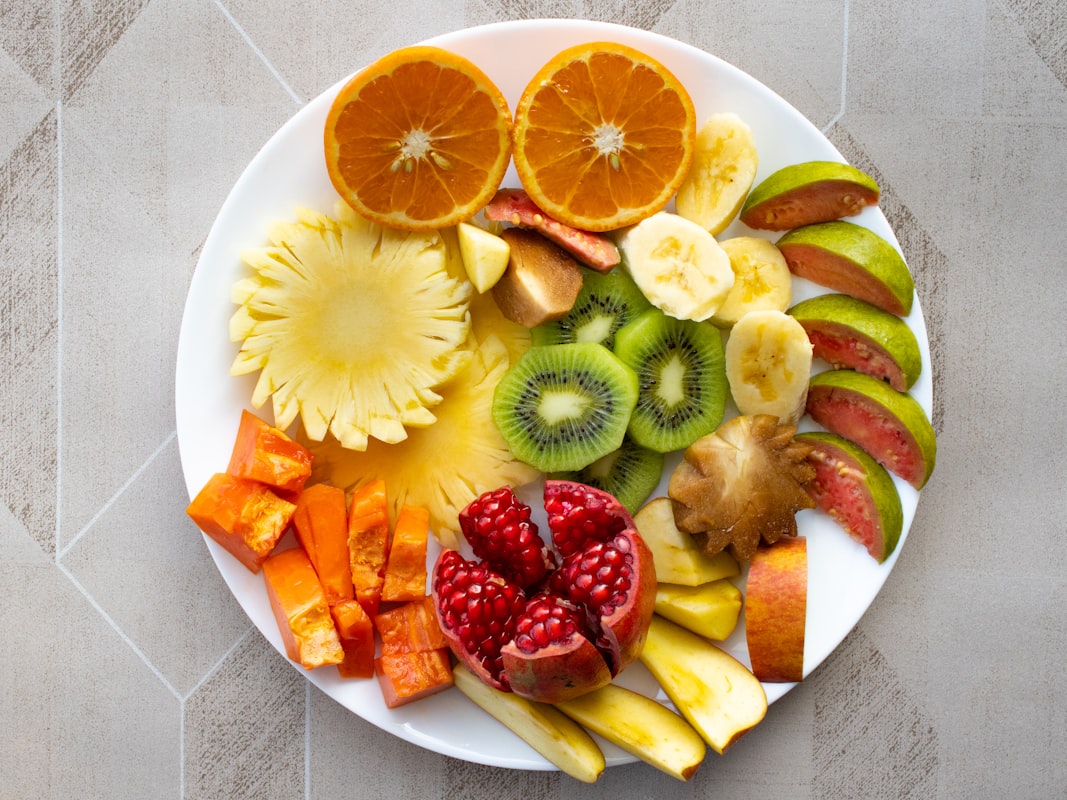
Baked Fish with Herb-Roasted Vegetables
Salmon or mackerel paired with seasonal vegetables provides omega-3 fatty acids and B vitamins. This simple preparation maximises nutrient retention and flavour.
View RecipeReal Stories of Health Transformation
"After learning about nutrient density and whole foods, everything changed for me. Within three months, my energy was stable throughout the day, my digestion improved dramatically, and I felt genuinely better than I had in years. I've now maintained these habits for two years, and my health markers are excellent. More importantly, I understand the 'why' behind my food choices, which makes them sustainable."
James Mitchell
Glasgow, Scotland
"I was struggling with constant fatigue and joint discomfort. When I shifted to a plant-forward diet with plenty of whole foods, the inflammation reduced noticeably. I've discovered so many delicious recipes that I never feel deprived. My doctor was impressed with my improved markers, and I'm grateful to finally understand how food truly is medicine."
Sarah Williamson
Edinburgh, Scotland
"The personalized approach transformed my energy levels within weeks. No more afternoon crashes, and my workouts are more effective than ever."
James Mitchell
Manchester, England
Ready to Transform Your Health?
Join hundreds of men already experiencing better energy, strength, and vitality with Vitalmalenutrition.
Frequently Asked Questions
What makes Vitalmalenutrition different from other supplements?
Our products are specifically formulated for men's nutritional needs, combining science-backed ingredients with quality assurance. Every product undergoes rigorous testing and is backed by real customer results.
How long does it take to see results?
Most customers report noticeable improvements within 2-4 weeks. However, optimal results typically develop over 8-12 weeks as your body adjusts and benefits accumulate. Individual timelines vary based on lifestyle and current health status.
Are your products natural?
Yes, we prioritize natural and organic ingredients wherever possible. Our formulations avoid artificial additives, synthetic fillers, and unnecessary chemicals. We believe in clean nutrition that works with your body's natural processes.
What's your delivery and return policy?
We offer fast UK-wide delivery (3-5 business days) on all orders. If you're not completely satisfied within 30 days, we offer a full refund—no questions asked. Your satisfaction is our priority.
Are there any side effects?
Our supplements are formulated to be gentle and well-tolerated. Most men experience no side effects. However, if you have specific health conditions or take medications, we recommend consulting your healthcare provider before starting any new supplement regimen.
Do you offer subscription discounts?
Absolutely! Subscribe to regular deliveries and save up to 20% on your order. You can pause, skip, or cancel anytime. Plus, subscribers get exclusive access to new products and special wellness tips.